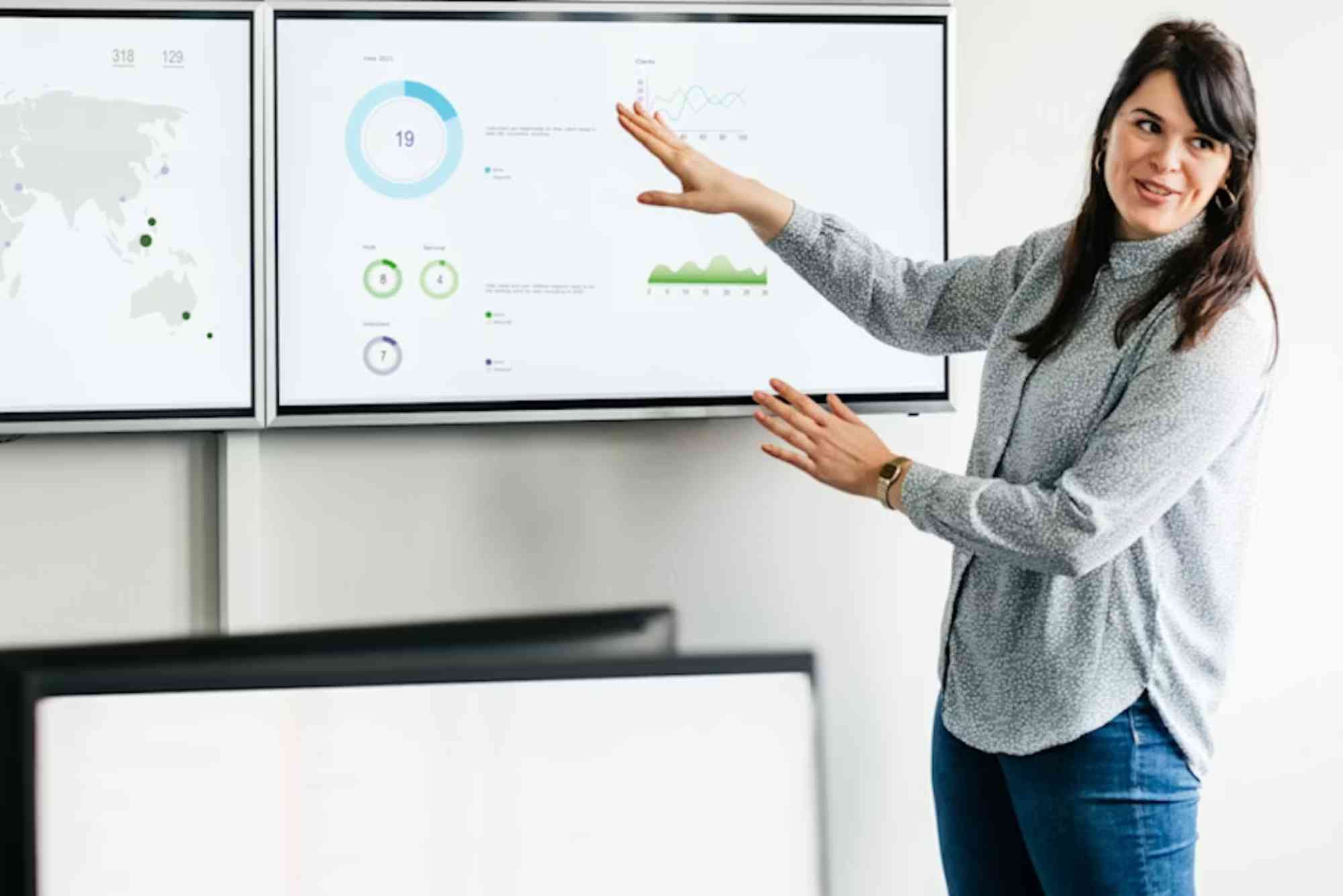
Proven Methods to Improve Amplitude Analytics Demo
In today’s data-driven world, understanding user behavior is the foundation of building better digital experiences. Amplitude Analytics has become one of the leading tools for behavioral analytics, helping teams track user journeys, measure engagement, and optimize conversion funnels. However, running an effective Amplitude Analytics demo can be challenging. Whether you’re demonstrating it to potential clients, internal teams, or stakeholders, you need to ensure that your demo clearly showcases the platform’s true power. In this article, we’ll explore proven methods to improve your Amplitude Analytics demo, ensuring it resonates with your audience and delivers measurable results.
Why Your Amplitude Analytics Demo Matters
An Amplitude Analytics demo is more than just a product walkthrough—it’s a storytelling opportunity. It’s your chance to show how data can translate into actionable insights. The goal isn’t only to show features but to demonstrate real-world value. A great demo can inspire teams to adopt Amplitude fully and drive better decision-making across the organization.
When done right, a well-structured Amplitude Analytics demo can improve understanding of user journeys, enhance retention strategies, and drive higher conversion rates. However, a poorly executed demo may overwhelm or confuse the audience, diminishing the impact of your analytics strategy.
Understand the Audience Before the Demo
Every successful demo begins with understanding the audience. Are you presenting to marketers, developers, or business leaders? Each group has different expectations.
Marketers are usually interested in conversion rates, user retention, and campaign effectiveness. Developers, on the other hand, want to understand data integration, event tracking, and API flexibility. Executives focus on ROI, scalability, and data accuracy. By tailoring your demo to the audience’s goals, you can demonstrate Amplitude’s features in a way that feels relevant and valuable. A personalized approach also shows that you understand their challenges, making your demo more engaging and credible.
Prepare High-Quality Demo Data
The strength of your Amplitude Analytics demo depends heavily on the quality of your demo data. Avoid using random or meaningless events that don’t represent real business scenarios. Instead, simulate data that tells a clear story—such as tracking a user signing up, engaging with a feature, and converting into a paying customer.

When your data mirrors real-world situations, your audience can easily relate to the insights being presented. They’ll see how Amplitude can uncover behavioral patterns and improve performance in actual business contexts. Use well-labeled events and properties to make it easier to navigate during the presentation. Demonstrating how Amplitude tracks events like “Add to Cart” or “Subscription Renewal” gives a realistic and practical impression.
Craft a Story Around Data
One of the most common mistakes during an Amplitude Analytics demo is presenting raw data without a story. Data alone doesn’t inspire action—stories do.
Build a narrative that guides your audience through the data journey. For instance, start with a business challenge, such as low user retention, then show how Amplitude identifies friction points in the funnel. End by demonstrating how changes based on insights improve metrics. This approach turns your demo into a problem-solving session rather than a feature showcase. Using a storytelling format makes your demo engaging, memorable, and persuasive. It also demonstrates your strategic thinking, aligning analytics with tangible business outcomes.
Highlight Key Features That Matter Most
Amplitude offers a range of powerful features—event segmentation, user cohorts, retention analysis, and conversion tracking, to name a few. But showing all of them at once can overwhelm your audience.
Focus on the features that best align with their needs. For a marketing audience, highlight funnel analysis, A/B testing integration, and behavioral cohorts. For technical teams, emphasize data governance, API tracking, and SDK setup. By zeroing in on relevant tools, you make your Amplitude Analytics demo more concise, focused, and effective.
Demonstrate Real Business Impact
After walking through features, show how insights lead to action. Use case studies or previous results to back up your claims. For example, demonstrate how using Amplitude’s cohort analysis helped identify a high-churn segment and improve retention by 20%.
Connecting features to real-world outcomes transforms your demo from theoretical to practical. It shows that Amplitude isn’t just an analytics tool—it’s a business growth engine.
For expert advice on turning data into business impact, check out SEO Expert Help, where professionals share insights on optimizing digital performance through data-driven strategies.
Ensure Technical Readiness
Nothing derails a demo faster than technical glitches. Always double-check your setup before starting. Make sure your internet connection is stable, your dashboard loads quickly, and your demo data is updated.
Prepare backups, such as screenshots or videos, in case of connection issues. If you’re using a live demo environment, rehearse transitions between features to avoid awkward pauses. This level of preparedness reflects professionalism and builds trust. A smooth demo shows that you not only understand the product but also respect your audience’s time.
Use Visuals and Insights Strategically
Amplitude’s dashboards are highly visual. Take advantage of that by using clear charts, graphs, and heatmaps that immediately convey insights. Avoid cluttered views with too many metrics—focus on clarity and simplicity.
Explain what each visualization represents and how it informs decision-making. Visual storytelling enhances retention and helps audiences connect data points to actions. A visually engaging demo can transform complex analytics into understandable insights.
Encourage Interaction and Questions
An interactive demo is always more memorable. Encourage your audience to ask questions, request specific reports, or explore scenarios they care about.
Live Q&A sessions help uncover their needs and demonstrate your adaptability. It also allows you to show lesser-known Amplitude features in response to specific challenges, making your demo more valuable.
Follow Up with Actionable Resources
After the demo, always provide a summary and next steps. Share links to documentation, tutorials, and relevant case studies. Consider including links to articles like the VWO Blog, which offers complementary insights on testing and optimization strategies.
A structured follow-up ensures your demo’s impact continues beyond the session, reinforcing Amplitude’s value proposition and helping your audience take immediate action.
Leverage Comparative Demonstrations
Sometimes, showcasing Amplitude alongside other analytics tools can highlight its strengths. Compare its behavioral analytics depth, real-time tracking, and user segmentation with competitors.
Without directly criticizing others, focus on what Amplitude does uniquely well—especially its user-centric approach and data visualization flexibility. This comparative context enhances credibility and gives the audience a clear reason to choose Amplitude.
Collect Feedback for Continuous Improvement
Every demo is a learning opportunity. After each presentation, gather feedback on what worked and what didn’t. Were there parts that confused the audience? Did they request features you didn’t highlight?
Use this feedback to refine your future demos. Over time, your Amplitude Analytics demo will evolve into a polished, high-impact experience that consistently delivers results.
Integrate Practical Scenarios
Nothing impresses more than relatable examples. Instead of hypothetical metrics, walk your audience through actual use cases—like tracking product adoption or analyzing drop-offs in onboarding flows.
Demonstrate how teams can use Amplitude’s event segmentation to discover user pain points or leverage funnel analysis to find conversion bottlenecks. Practical, hands-on demonstrations turn abstract analytics into actionable intelligence.
Measure Demo Success
Finally, don’t forget to measure the success of your demo. Track engagement levels, follow-up conversions, and audience satisfaction scores.
You can even use Amplitude itself to analyze your demo sessions—tracking views, interactions, and post-demo sign-ups. This creates a feedback loop that continuously enhances your performance.
Elevate Your Amplitude Analytics Demo
Improving your Amplitude Analytics demo requires a blend of preparation, storytelling, and audience awareness. By crafting a clear narrative, showcasing relevant features, and emphasizing real-world value, you can deliver demos that truly inspire action.
A great demo doesn’t just explain features—it connects data insights to business growth. If you want expert guidance on optimizing your analytics strategies and improving your demo delivery, reach out to SEO Expert Help for professional assistance tailored to your business needs.
With consistent refinement, audience engagement, and a data-driven mindset, your Amplitude Analytics demos can become a powerful catalyst for informed decision-making and long-term success.
FAQs
What is Amplitude Analytics used for?
Amplitude Analytics helps businesses understand user behavior, track engagement, and optimize digital experiences through data-driven insights.
How do I create an effective Amplitude Analytics demo?
Focus on storytelling, real data scenarios, and relevant features. Tailor the demo to your audience’s goals and keep it interactive.
What makes Amplitude different from Google Analytics?
Amplitude focuses on behavioral analytics—tracking how users interact with your product over time, while Google Analytics primarily measures website traffic and page views.
Can I use Amplitude for mobile apps?
Yes, Amplitude supports mobile tracking for both Android and iOS, allowing you to analyze app engagement and retention in real time.
How do I improve engagement during a demo?
Encourage participation, use relatable examples, and keep visuals simple. Allow live questions and highlight actionable insights.