What Is Bone Mineral Content Kg? Explained Clearly
Stepping off a smart scale or reading a DEXA scan report can feel overwhelming. You suddenly see a metric labeled bone mineral content kg staring right back at you. Many people confuse this number with overall bone density or assume it measures their entire skeleton’s weight.
In reality, this measurement tells a very specific and important story about your structural health. Understanding your bone mineral content kg empowers you to take control of your physical strength early. Let us break down what this number truly represents in plain, everyday language.
Understanding Bone Mineral Content Kg in Simple Terms
Simply put, bone mineral content kg measures the total weight of the minerals inside your bones. Your skeleton is not just solid rock. It is living tissue composed of water, collagen fibers, and essential minerals like calcium and phosphorus. When a scanner calculates your bone mineral content kg, it ignores water and soft tissue to weigh purely the hard mineral mass.
Think of your bones like a reinforced concrete building. Collagen acts like flexible steel rebar that prevents snapping under pressure, while minerals act like hardened concrete for rigid strength. Your bone mineral content kg tells doctors and fitness enthusiasts exactly how much concrete is currently present. Having a higher mineral mass generally indicates a stronger, more resilient skeletal frame.
Bone Mineral Content vs. Bone Mineral Density
People frequently mix up bone mineral content with bone mineral density. Although they sound nearly identical, they measure two different aspects of skeletal health. Bone mineral content measures the raw, total amount of minerals in your bones, expressed in kilograms. On the other hand, bone mineral density measures how tightly those minerals are packed into a specific area.
Imagine two different boxes filled with sand. A giant box might hold ten kilograms of sand, while a tiny box holds only two kilograms. Similarly, a tall person naturally has a higher bone mineral content kg than a shorter person simply because their bones are larger. Doctors look at both numbers together to evaluate your true fracture risk accurately.

How Medical and Fitness Devices Measure Your Bone Mass
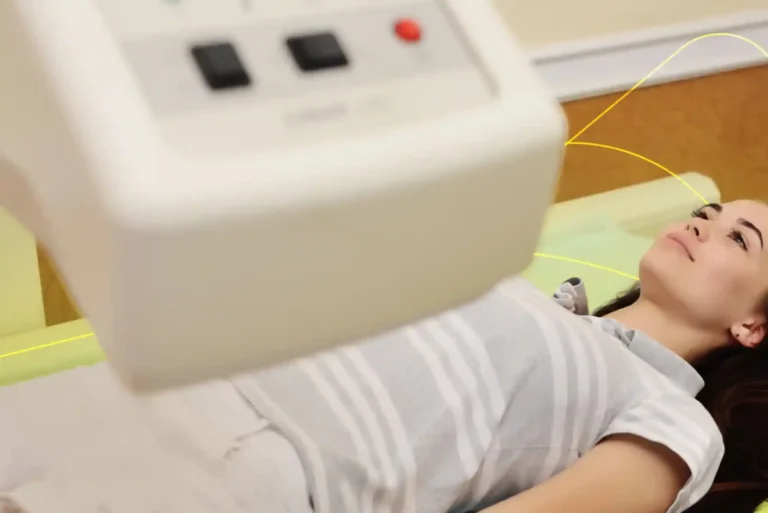
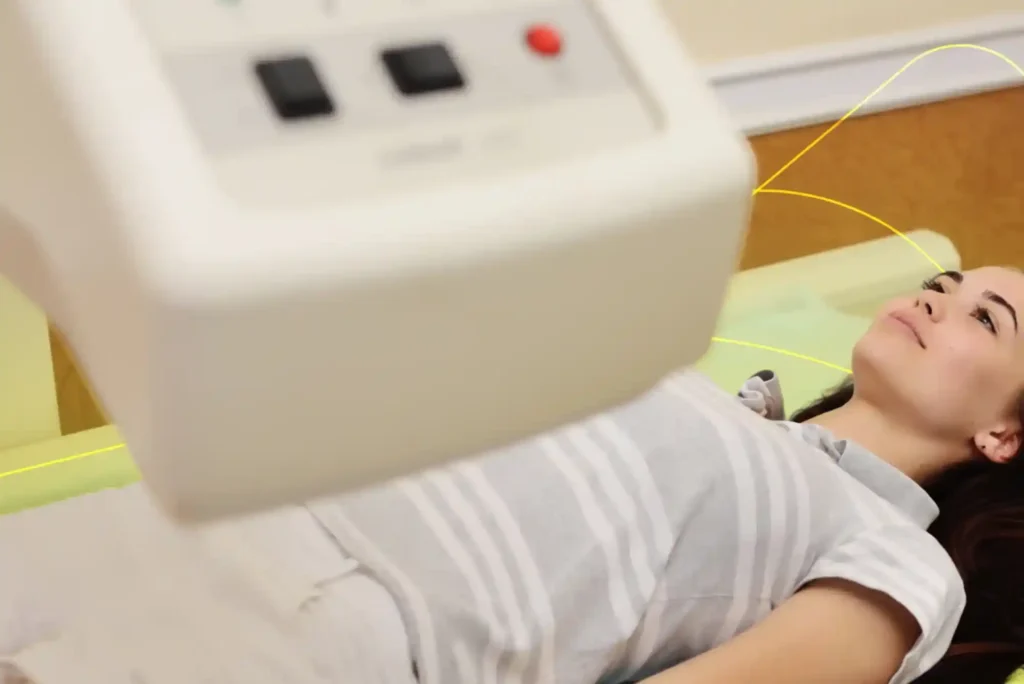
You can discover your bone mineral content kg through a few different methods. The gold standard in the medical world is a Dual-Energy X-ray Absorptiometry scan, commonly called a DEXA scan. During this quick, painless procedure, low-dose X-ray beams pass through your body. The machine then calculates your exact bone mineral content kg with remarkable clinical precision.
Smart scales and bioelectrical impedance devices offer a much more accessible way to track trends at home. These scales send a tiny, imperceptible electrical current up through your feet to estimate your total bone mass. While smart scales are less accurate than hospital DEXA machines, they work wonderfully for tracking long-term changes. Stepping on the same scale every few weeks reveals whether your habits are supporting your skeleton.
What Is a Normal Bone Mineral Content Kg Range?
There is no single magic number that applies to every human being. Your ideal bone mineral content kg depends heavily on your biological sex, height, total body weight, and genetics. Men typically carry higher bone mineral mass than women due to larger average skeletal frames and higher testosterone levels.
For an average adult woman weighing 60 to 70 kilograms, a healthy bone mineral content kg usually falls between 2.0 and 2.5 kilograms. For an average adult man weighing 75 to 85 kilograms, normal values generally range from 2.8 to 3.5 kilograms. Rather than obsessing over a single static number, focus on maintaining a steady personal trend over time.
Key Factors That Influence Your Bone Mineral Levels
Several daily habits and biological factors constantly reshape your skeleton. Your bones undergo a continuous remodeling process where old tissue breaks down and new mineral tissue forms. Age and hormones play the biggest biological roles in this cycle. For instance, dropping estrogen levels during menopause often cause a rapid dip in bone mineral content kg.
Nutrition and physical activity serve as the direct drivers for maintaining skeletal weight. If your diet lacks adequate calcium and vitamin D, your body actually steals minerals from your bones. Meanwhile, lifting weights and running signal bone-forming cells to deposit fresh minerals into stressed areas. Conversely, a sedentary desk lifestyle signals your body that heavy bones are unnecessary.
Proven Ways to Increase and Protect Your Bone Mineral Content
Improving your bone mineral content kg requires consistent, targeted lifestyle adjustments. Start by prioritizing resistance training and weight-bearing exercises like squats, hiking, and lifting weights at least three times a week. Next, upgrade your daily nutrition with calcium-rich dairy, leafy greens, vitamin D, magnesium, and vitamin K2.
Finally, eliminate habits like smoking, excessive alcohol, and high-sodium diets that actively drain minerals from your body. Replacing sugary sodas with water and prioritizing quality sleep will safeguard your skeletal strength for decades. If you run a health blog and want your fitness articles to rank higher, getting professional SEO Expert Help can transform your online visibility. Similarly, studying strategies from Neil Patel on Content Marketing shows how clear guides build lasting reader trust.
Frequently Asked Questions
Is bone mineral content the same as bone weight?
No, they are different measurements because total bone weight includes water, collagen proteins, blood vessels, and living cells. Your bone mineral content kg measures strictly the dry mineral weight, mostly calcium and phosphorus, without any soft tissues.
Can you increase your bone mineral content after age 40?
Yes, you can definitely improve or maintain your mineral levels after forty through targeted lifestyle changes. While peak bone mass occurs around age thirty, consistent strength training and proper calcium intake still stimulate new mineral deposits.
Why did my smart scale show a sudden drop in bone mass?
Smart scales estimate bone mass using electrical currents, which fluctuate heavily based on your daily hydration levels. Dehydration or weighing yourself right after an intense workout often causes temporary measurement errors on home devices.
What happens if my bone mineral content kg is too low?
Low mineral content often points toward osteopenia or osteoporosis, conditions where bones become fragile and porous. Having insufficient mineral mass increases your risk of painful fractures from minor falls or everyday bumps.
Conclusion
Understanding your bone mineral content kg takes the mystery out of modern body composition scans. Instead of guessing what those numbers mean, you now know they reflect the vital mineral reserves holding your body upright. By combining heavy weight-bearing exercise with calcium-rich meals and adequate vitamin D, you actively invest in your future mobility.