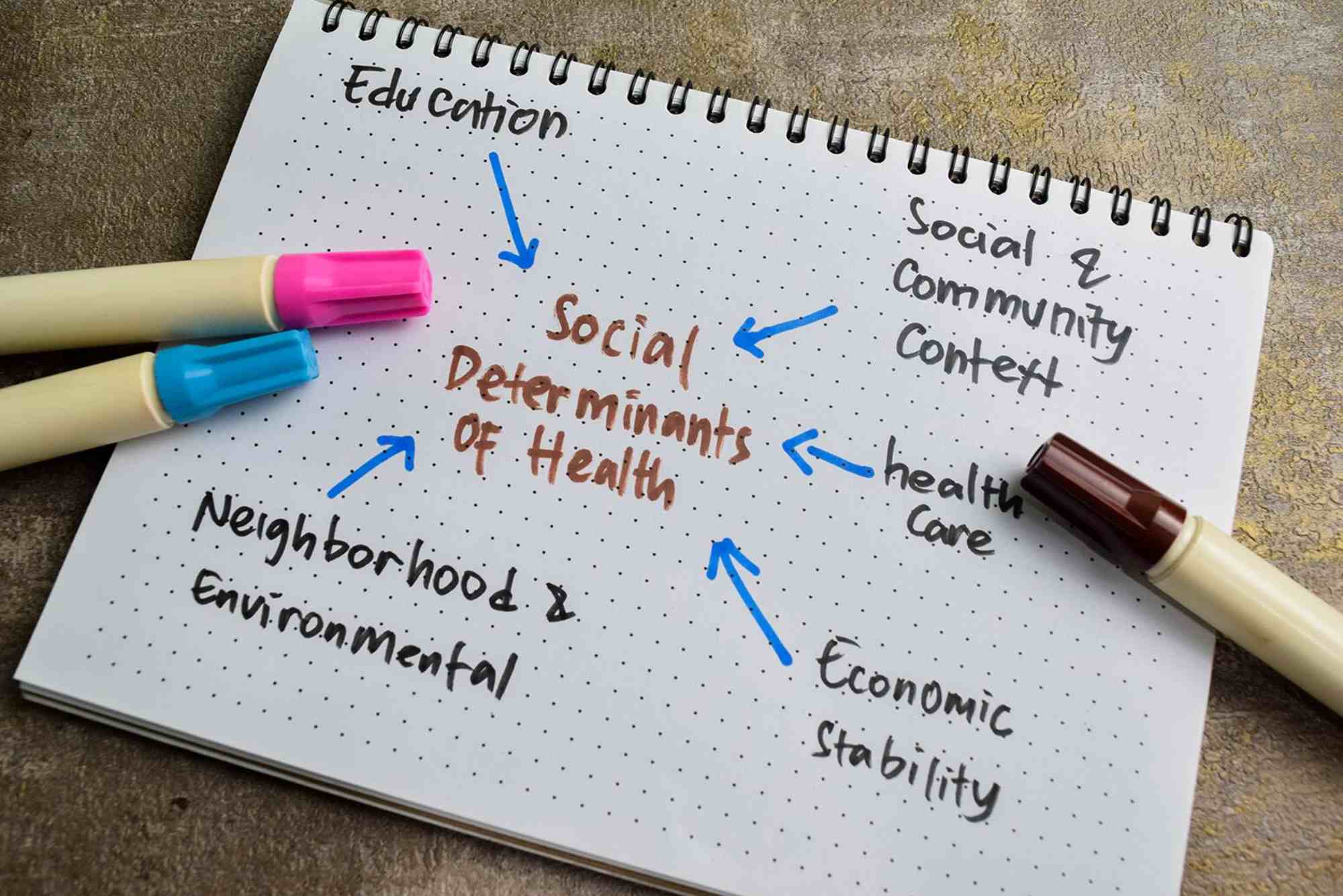
Introduction
Social policy marketing is rapidly evolving, reshaping how governments, organisations, and communities engage with the public. Traditionally, social policy focused on public welfare and societal improvement, but today, marketing strategies play a crucial role in communicating policies effectively. From awareness campaigns to digital advocacy, the integration of marketing principles into social policy ensures policies reach the right audiences, evoke engagement, and drive action.
As we look towards the future, understanding these shifts is essential. This article explores emerging trends, strategies, and technologies influencing social policy marketing, particularly in dynamic regions such as Mountain View, where innovation meets community engagement.
Understanding Social Policy Marketing
What is Social Policy Marketing?
Social policy marketing involves applying marketing techniques to influence behaviours that align with societal goals. This can include health campaigns, educational initiatives, or community development programs. Unlike traditional marketing, the focus is not profit, but creating measurable social impact.
The Role of Digital Platforms
The rise of digital platforms has transformed social policy marketing. Social media channels, search engines, and online communities offer unprecedented opportunities to reach diverse audiences. Platforms like Facebook, Twitter, and Instagram allow policymakers to communicate directly with citizens, gather feedback, and foster engagement in ways that were previously impossible.
Key Principles in Social Policy Marketing
Effective social policy marketing relies on several principles: clarity, empathy, and data-driven insights. Campaigns must be transparent about goals, consider the audience’s needs, and use analytics to measure impact. Organisations like Orange Theory Mountain View have demonstrated the importance of connecting campaigns with local communities to ensure relevance and resonance.
Emerging Trends in Social Policy Marketing
Personalisation and Targeted Communication
Modern social policy marketing increasingly relies on personalisation. By segmenting audiences based on demographics, interests, and behaviours, campaigns can deliver relevant messages that resonate on an individual level. This approach increases engagement and encourages meaningful behavioural change.

Integration of AI and Analytics
Artificial intelligence (AI) and advanced analytics are transforming the way social policies are marketed. Predictive analytics can anticipate community needs, while AI-driven chatbots facilitate real-time communication. By leveraging these technologies, policymakers can enhance efficiency and ensure messages reach the right people at the right time.
Emphasis on Storytelling
Storytelling has emerged as a vital tool in social policy marketing. Narratives highlighting real experiences create empathy and motivate action. For example, campaigns promoting public health improvements often use personal stories to illustrate the benefits of vaccinations or preventive care.
Social Media as a Policy Platform
Social media platforms are no longer just communication tools; they are strategic platforms for policy engagement. Campaigns can now create interactive experiences, host live discussions, and use targeted advertising to drive awareness. As Neil Patel on Social Media explains, the ability to measure engagement in real-time is a game-changer for policymakers.
Challenges Facing Social Policy Marketing
Balancing Persuasion and Ethics
One of the primary challenges in social policy marketing is maintaining ethical standards while encouraging behavioural change. Campaigns must be persuasive without manipulating or misleading the audience. Transparency and accountability remain crucial in sustaining public trust.
Navigating Misinformation
The digital age has amplified the spread of misinformation, posing significant challenges for social policy campaigns. Policymakers must develop strategies to counter false narratives while maintaining credibility. Fact-checking, partnerships with trusted sources, and proactive communication are essential strategies.
Measuring Impact Effectively
Unlike commercial marketing, measuring success in social policy campaigns is complex. Metrics such as behaviour change, community participation, and long-term societal outcomes are harder to quantify. Using both qualitative and quantitative methods ensures campaigns remain accountable and impactful.
The Role of Localised Campaigns
Community-Centric Approaches
Localised campaigns are increasingly important. By focusing on specific communities, policymakers can address unique challenges and cultural considerations. For instance, initiatives in Mountain View often combine tech-driven solutions with grassroots engagement, fostering both innovation and trust.
Collaboration with Organisations
Partnering with local organisations enhances the effectiveness of social policy marketing. Collaboration allows campaigns to leverage existing community networks and credibility. Companies like Orange Theory Mountain View demonstrate how integrating wellness programs with local initiatives strengthens outreach.
Technological Innovations Shaping the Future
Virtual and Augmented Reality
Virtual and augmented reality (VR/AR) offer immersive experiences that can educate and engage the public. For example, VR simulations can demonstrate the impact of environmental policies or health interventions, providing a tangible understanding of abstract concepts.
Data Privacy and Ethical AI
With the rise of AI-driven campaigns, data privacy is a major concern. Policymakers must ensure compliance with regulations while maintaining ethical standards in using citizen data. Transparent policies and ethical AI usage will shape trust in future campaigns.
Predictive Campaign Modelling
Predictive modelling uses historical data to forecast campaign outcomes. This allows policymakers to optimise strategies, allocate resources efficiently, and anticipate community reactions before launching large-scale initiatives.
Future Directions in Social Policy Marketing
Emphasis on Sustainability
Future campaigns will increasingly focus on sustainability. Social policies addressing climate change, renewable energy, and community health will rely on marketing strategies that inspire long-term commitment and behavioural change.
Citizen-Centric Feedback Loops
The future of social policy marketing involves integrating continuous feedback loops. Engaging citizens through surveys, polls, and interactive platforms ensures that policies remain relevant, effective, and responsive to community needs.
Cross-Sector Collaboration
Collaboration between governments, NGOs, and private enterprises will continue to shape campaigns. Sharing resources, expertise, and platforms allows for wider reach and stronger social impact.
The future of social policy marketing is dynamic and promising. By integrating digital technologies, ethical strategies, and community engagement, policymakers can ensure their campaigns resonate effectively. Localised efforts, innovative storytelling, and data-driven insights will define the next era of impactful campaigns.
For organisations and individuals looking to enhance their digital outreach, professional guidance is invaluable. Engaging with experts such as SEO Expert Help or learning from thought leaders like Neil Patel on Social Media can provide actionable strategies for maximising campaign impact.
FAQ
What is social policy marketing?
Social policy marketing applies marketing strategies to promote public welfare initiatives, encouraging behavioural change for societal benefit.
How does digital marketing impact social policy campaigns?
Digital marketing enables real-time communication, targeted engagement, and data-driven insights, making campaigns more effective and measurable.
Why is ethical consideration important in social policy marketing?
Ethics ensures campaigns are persuasive without manipulation, maintaining public trust and credibility in sensitive societal issues.
Can local campaigns be more effective than national ones?
Yes, local campaigns address specific community needs, cultural nuances, and enhance engagement through targeted outreach.
What technologies are shaping the future of social policy marketing?
AI, predictive analytics, VR/AR, and data-driven platforms are transforming campaign strategies, engagement, and measurement.