
Introduction
Managing multiple social media accounts manually drains your valuable time and energy. Modern businesses rely on smart automation to stay ahead of the fierce competition. Using the right social media marketing tools can transform your chaotic workflow into a smooth machine. These platforms help you schedule content, analyze audience data, and engage with followers effortlessly. Whether you run a small startup or a large agency, software simplifies your daily tasks. Let us explore everything you need to know about choosing and using these vital platforms.
What Are Social Media Marketing Tools
Social media marketing tools are specialized software applications designed to manage online brand presence. They allow marketers to publish posts across multiple networks from a single dashboard. Instead of logging into five different apps, you control everything in one convenient place. Furthermore, these platforms track engagement metrics, monitor brand mentions, and automate customer replies. In my years of managing digital campaigns, I have seen these tools save teams ten hours weekly. Ultimately, they bridge the gap between creative content creation and data-driven business growth.
Why Your Business Needs Social Media Marketing Tools
Consistency is the golden rule of building a loyal audience on any digital platform. However, posting manually at peak engagement hours becomes nearly impossible as your brand scales. Automation software ensures your content goes live even while you sleep or attend meetings. Additionally, these platforms provide deep insights into what your audience truly enjoys reading. You can easily spot top-performing posts and replicate their success in future campaigns. Moreover, team collaboration features prevent embarrassing mistakes like double-posting or forgetting to reply to customers. Without proper software, scaling your online presence quickly turns into an overwhelming nightmare.
Essential Categories of Social Media Marketing Tools
The software market offers thousands of different applications for various marketing needs. Understanding the main categories helps you build a tech stack that fits your budget. Scheduling and publishing platforms form the core foundation of any solid digital strategy. Content creation and design apps help non-designers craft stunning graphics and engaging short videos. Meanwhile, analytics and reporting tools translate raw likes and shares into actionable revenue metrics. Social listening platforms track online conversations to protect your brand reputation in real time. Finally, community management tools gather all your direct messages and comments into one unified inbox.
Top Scheduling and Publishing Social Media Marketing Tools
Scheduling software remains the most popular category among busy digital marketers and creators. Buffer offers a clean interface that makes queuing posts across major networks incredibly simple. Hootsuite provides a comprehensive dashboard ideal for larger teams managing dozens of client profiles. Sprout Social combines powerful scheduling with advanced customer relationship management features for enterprise brands. Later specializes in visual planning, making it a favorite choice for Instagram and TikTok creators. Each platform allows you to preview how your posts will look before they go live. Choosing the right scheduler depends entirely on your team size and preferred social channels.
Best Content Creation and Design Platforms
Visual appeal stops users from scrolling past your posts in a crowded newsfeed. Canva empowers anyone to create professional graphics using thousands of customizable templates and stock photos. CapCut has become the go-to video editing software for crafting viral short-form vertical videos. Adobe Express offers seamless integration with creative cloud assets for brands needing strict visual consistency. Many modern social media marketing tools now include artificial intelligence to generate captions and resize images. Investing in strong visual software dramatically improves your click-through rates and overall brand authority. Good design tells your audience that your business is trustworthy, modern, and detail-oriented.

Analytics and Reporting Social Media Marketing Tools
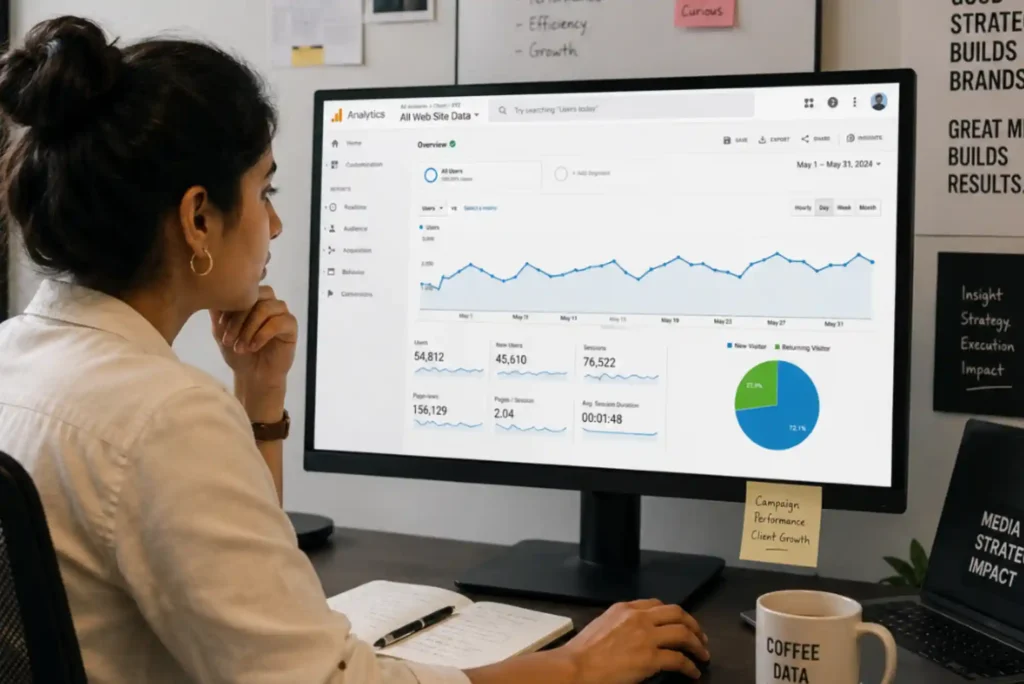
Posting content without tracking its performance is like driving a car with your eyes closed. Native platform insights offer basic data, but third-party analytics tools reveal the bigger picture. Google Analytics helps you track exactly how much website traffic comes from your social channels. Sprout Social and Iconosquare generate automated, white-label reports that impress clients and company executives. These platforms measure crucial metrics like audience growth rate, engagement per impression, and conversion value. If you ever feel overwhelmed by complex data, seeking SEO Expert Help can align your social metrics with search engine growth. Data-backed decisions always outperform guesswork when allocating your monthly marketing budget.
Social Listening and Brand Monitoring Software
Customers frequently talk about your brand without tagging your official social media handles. Social listening tools scan the internet for specific keywords, hashtags, and competitor mentions. Brandwatch and Mention alert you immediately whenever someone discusses your products or industry trends. This real-time intelligence allows you to jump into relevant conversations and solve customer complaints fast. Furthermore, monitoring your competitors reveals their content gaps and customer pain points. You can use these valuable insights to create better products and targeted marketing campaigns. Proactive listening turns casual observers into lifelong brand advocates.
How to Choose the Right Social Media Marketing Tools
Selecting the best software requires a clear understanding of your specific business goals. Start by identifying which social networks generate the highest return on investment for your brand. Next, establish a realistic monthly budget before exploring expensive enterprise software subscriptions. Always take advantage of free trials to test the user interface with your actual team. Check whether the platform integrates smoothly with your existing customer relationship management and email software. Reliable customer support is also vital when technical glitches threaten your scheduled product launches. Never pay for complex features that your team will never actually use in daily operations.
Common Mistakes to Avoid When Using Marketing Software
Automation is a powerful servant, but it becomes a terrible master if overused. Many brands schedule months of content and completely forget to engage with live comments. Social media requires genuine human interaction to build real trust and community loyalty. Another common mistake is posting the exact same message across every single social network. LinkedIn users expect professional industry insights, whereas TikTok viewers prefer casual and entertaining videos. Reading resources like the LinkedIn Marketing Blog helps you tailor your tone for specific professional audiences. Always review your scheduled queue during major news events to avoid appearing tone-deaf.
The Future of Social Media Marketing Tools
Artificial intelligence is rapidly reshaping how marketers plan, create, and distribute online content. Predictive analytics will soon tell us the exact revenue a post will generate before publishing. Smart chatbots are becoming capable of handling complex customer service inquiries entirely through direct messages. Furthermore, social media marketing tools are integrating deeper social commerce features for instant in-app checkouts. Video editing automation will allow creators to turn one long podcast into twenty viral clips instantly. Staying adaptable and learning these emerging technologies will keep your brand competitive for years. The tools will evolve, yet authentic storytelling will always remain the heart of marketing.
Frequently Asked Questions
What are the best free social media marketing tools for beginners?
Buffer, Canva, and Meta Business Suite offer generous free plans for small businesses. These platforms let you schedule basic posts, design graphics, and view essential audience analytics without paying.
How much do social media marketing tools typically cost?
Prices range from free basic tiers to over five hundred dollars monthly for enterprise agencies. Most small businesses spend between thirty and one hundred dollars per month for reliable scheduling software.
Can social media marketing tools help increase my website traffic?
Yes, scheduling consistent posts with compelling calls to action drives steady referral traffic to your site. Analytics features also show which specific posts generate the highest number of link clicks.
Do social media scheduling tools hurt organic reach?
No, reputable platforms use official application programming interfaces approved directly by major social networks. Your organic reach depends on content quality and audience engagement rather than the publishing tool used.
How many social media marketing tools does a small business need?
Most small businesses only need two core platforms to run an effective digital strategy. One tool handles scheduling and analytics, while a second creative app handles graphic and video design.
Conclusion
Mastering your online presence does not require working twenty hours a day behind a screen. By adopting the right social media marketing tools, you reclaim your time while boosting brand visibility. Focus on platforms that simplify your daily scheduling, enhance your visual content, and clarify your data. Remember that software exists to amplify your human creativity rather than replace authentic audience connections. Audit your current workflow today and identify the repetitive tasks slowing down your team. Start a free trial with one recommended platform this week and watch your digital engagement soar.



Leave a Reply