Latest Social Media Poster Trends You Shouldn’t Miss
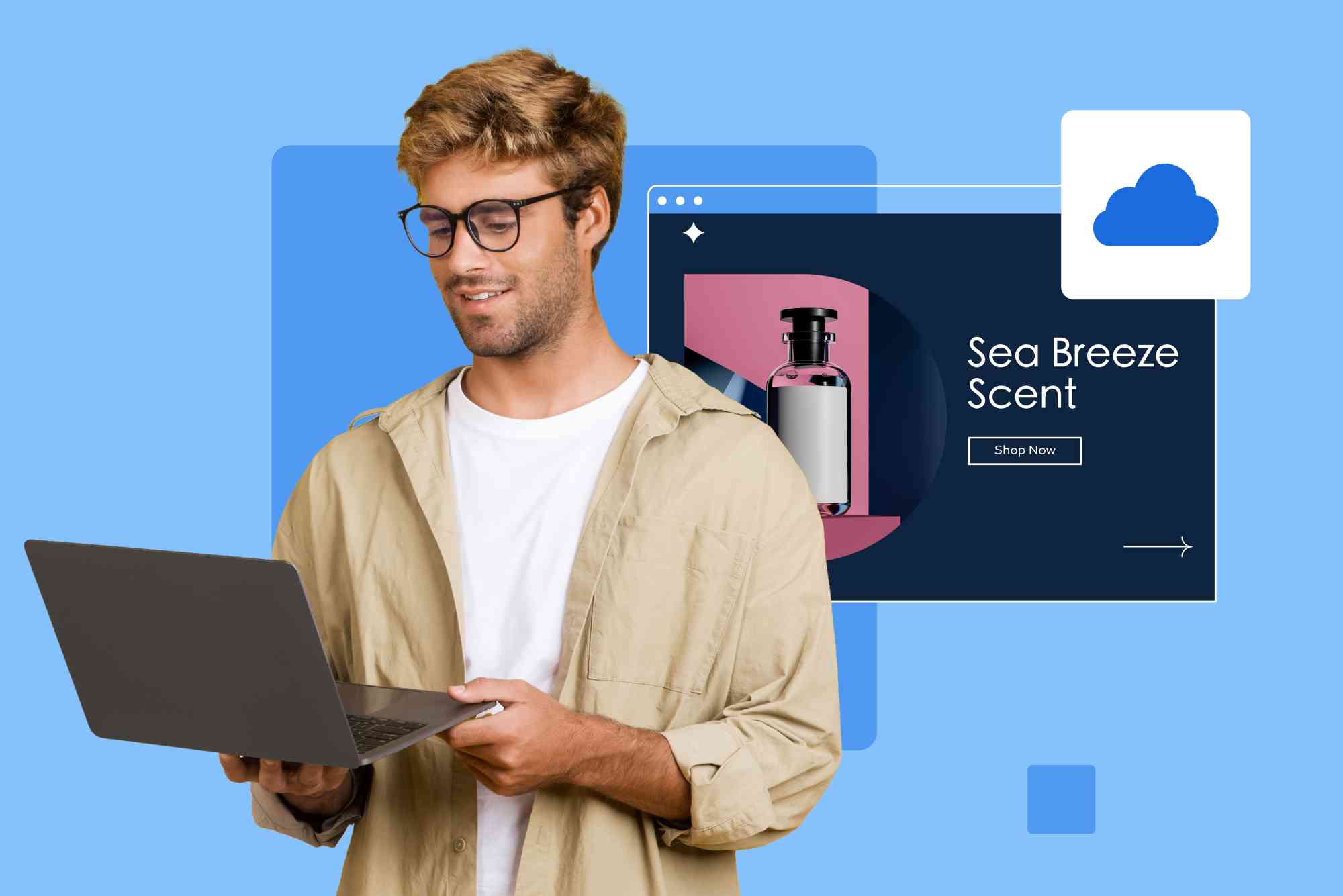
In today’s fast-moving digital world, a social media poster is no longer just a visual update. It is a powerful branding tool that shapes first impressions and drives engagement. As algorithms evolve and user attention spans shrink, brands must adapt to modern poster trends to stay relevant. Whether you manage a business page, a personal brand, or a marketing agency, understanding current poster design trends can dramatically improve your online presence.
This guide explores the latest social media poster trends you shouldn’t miss. It focuses on real-world practices that work across platforms like Instagram, Facebook, LinkedIn, and X. You will also learn how strategy, psychology, and platform features influence poster design today.
Why Social Media Poster Trends Matter in 2026
Social platforms reward content that keeps users engaged. A well-designed social media poster can stop scrolling, spark curiosity, and encourage interaction. Trends matter because they reflect what audiences currently respond to. When brands ignore them, their content feels outdated.
At the same time, blindly following trends without strategy can harm brand identity. The key is balance. Modern poster design blends trend awareness with clear messaging and consistent branding.
Minimalist Visuals with Strong Messaging
Minimalism continues to dominate social media poster design. Clean layouts, ample white space, and limited colours help messages stand out. Users scroll fast, so cluttered posters often fail.
Today’s minimalist social media poster focuses on one clear idea. A bold headline, simple graphic, and strong call to action perform better than complex designs. Brands are reducing visual noise to improve readability on small screens.

This approach also improves accessibility. Clear fonts and high contrast help users consume content quickly. As a result, minimalist posters often achieve higher engagement rates.
Bold Typography as the Main Design Element
Typography is no longer just supportive. It is now the hero of many social media posters. Designers use oversized fonts, creative typefaces, and dynamic text placement to grab attention.
Bold typography works because text delivers the message instantly. When paired with minimal visuals, it creates impact without overwhelming users. Many brands now rely on text-driven posters for announcements, promotions, and quotes.
However, readability remains essential. Fonts must remain legible across devices. Smart designers test posters on mobile screens before publishing.
Motion-Inspired Static Posters
Even static posters now feel dynamic. Designers are using motion-inspired layouts that suggest movement through angled text, layered elements, and directional lines.
This trend helps a social media poster stand out in feeds dominated by video. It gives the illusion of energy without requiring animation. These posters feel modern and engaging, especially on Instagram and LinkedIn.
Motion-inspired design also supports storytelling. It guides the viewer’s eye from headline to action naturally.
Authentic and Human-Centred Design
Audiences value authenticity more than polish. Highly edited visuals are being replaced by relatable designs that feel human. Brands are using real photos, candid moments, and natural colours.
A social media poster that feels genuine builds trust. This aligns with Google’s E-E-A-T principles, especially experience and trust. Showing real people, real stories, and real outcomes strengthens credibility.
This trend is especially effective for service-based businesses, coaches, and consultants. It creates emotional connection rather than visual perfection.
Platform-Specific Poster Design
One design no longer fits all platforms. Each social network has unique audience behaviour and visual preferences. Successful brands adapt their social media poster design accordingly.
Instagram favours visually striking posters with short text. LinkedIn prefers professional layouts with value-driven messaging. Facebook works well with balanced visuals and clear calls to action.
Understanding these differences improves performance. For deeper optimisation and strategy alignment, working with SEO Expert Help from can ensure your poster content supports broader digital goals.
Colour Psychology and Brand Consistency
Colour remains a powerful influence on emotions and actions. Modern poster trends use intentional colour psychology rather than random palettes. Brands choose colours that reflect mood, message, and identity.
Muted tones are popular for premium brands. Bright accents are used sparingly to highlight calls to action. Consistency across posters builds recognition and trust.
A strong social media poster maintains brand colours while adapting shades for seasonal or campaign-specific needs. This balance keeps content fresh without confusing audiences.
AI-Assisted Design with Human Creativity
AI tools now assist designers in layout suggestions, colour matching, and image enhancement. However, the trend is not about automation alone. It is about combining AI efficiency with human creativity.
Smart marketers use AI to speed up production while maintaining originality. They still control messaging, tone, and brand voice. The result is faster content creation without losing authenticity.
This approach helps brands stay consistent while scaling social media poster output.
Story-Driven Posters That Educate
Educational content is gaining traction. Posters that teach something valuable perform well across platforms. These designs focus on insights, tips, and micro-learning.
A story-driven social media poster presents a problem, offers insight, and suggests a solution. It positions the brand as helpful rather than promotional.
This trend supports long-term engagement and brand loyalty. It also aligns with platform algorithms that prioritise meaningful interactions.
Interactive Design Cues Without Overdesign
Although posters are static, designers now include interactive cues. Questions, prompts, and visual hints encourage comments and shares.
This trend boosts engagement without relying on gimmicks. A simple question at the end of a social media poster can double interaction rates.
However, subtlety matters. Overusing prompts can feel forced. The best posters invite conversation naturally.
Data-Driven Poster Design Decisions
Successful brands rely on analytics, not guesswork. They test different poster styles, track performance, and refine designs based on data.
Metrics like saves, shares, and comments reveal what works. This feedback loop helps improve future social media poster designs.
Using insights from platform analytics and resources like Meta Business Help at allows marketers to align design choices with platform best practices.
Accessibility and Inclusive Design
Accessibility is no longer optional. Inclusive design ensures everyone can engage with content. This includes readable fonts, sufficient contrast, and clear messaging.
A modern social media poster considers users with visual impairments or cognitive challenges. Simple language and clean layouts improve inclusivity.
Brands that prioritise accessibility demonstrate responsibility and professionalism. This strengthens trust and reach.
Seasonal and Cultural Relevance
Timely content performs better. Posters aligned with seasons, events, or cultural moments feel relevant. However, relevance must be authentic and respectful.
Brands now plan poster calendars around meaningful dates. They adapt visuals and messaging without losing brand identity.
This approach keeps content fresh while maintaining consistency.
The Role of Consistent Visual Identity
Consistency builds recognition. Repeated visual elements help audiences identify a brand instantly. This includes fonts, colours, layout style, and tone.
A recognisable social media poster does not need a logo every time. Visual patterns alone can signal brand ownership.
Consistency also improves efficiency. Design teams work faster with clear guidelines.
How These Trends Improve Engagement and Reach
Modern poster trends focus on clarity, emotion, and relevance. They align with user behaviour and platform algorithms. As a result, engagement improves organically.
A well-designed social media poster encourages saves, shares, and comments. These signals increase visibility and reach.
Over time, consistent application of these trends strengthens brand authority.
Stay Ahead with Smarter Social Media Posters
Social media poster trends continue to evolve. What works today may change tomorrow. However, the core principles remain clear. Focus on clarity, authenticity, and audience value.
By adopting modern design trends thoughtfully, brands can create posters that stand out without chasing every fad. Strategic design supported by data delivers lasting results.
If you want to improve your poster strategy and align it with broader digital growth, consider professional guidance. Expert support ensures your visuals support both branding and performance goals.
Now is the time to review your current posters and update them with these trends. Strong visuals lead to stronger engagement.
FAQs
What makes a social media poster effective today?
An effective social media poster delivers one clear message quickly. It uses clean design, readable text, and strong visual hierarchy.
How often should brands update their poster design style?
Brands should review design styles every few months. Minor updates keep content fresh without losing consistency.
Do social media posters still work compared to video?
Yes, posters remain effective. They are faster to consume and often perform well for announcements and education.
Which platform benefits most from social media posters?
All platforms use posters differently. Instagram and LinkedIn benefit significantly from strong poster design.
Can small businesses follow these trends without designers?
Yes, many tools and templates support modern poster design. Strategy and clarity matter more than complexity.